Our Services

Comprehensive reserve study and engineering solutions designed to help HOAs and property owners plan ahead, stay compliant, and protect long-term value.

Elevated Engineering + Reserve

EE+R understands the regulatory and financial challenges facing today’s HOA boards and residents. We take an engineering approach to help solve the problem.

Our Engineering and Methodology.

We utilize a detailed, step-by-step approach from initial site inspections to final financial reporting to deliver the most precise reserve studies in the industry.

Site Visit

Our process begins on the ground. We conduct thorough, hands-on physical inspections of your property to evaluate the real-time condition of your infrastructure and understand your community’s unique structural needs.

Component Inventory

We meticulously identify and document every common-area asset your association is responsible for maintaining. This ensures no detail is overlooked in your long-term planning strategy.

Quantity

Precision is the foundation of an accurate study. Our engineers measure and quantify every listed component—from roofing square footage to pavement dimensions—to build a reliable data model.

LEVEL I

LEVEL II

LEVEL III

LEVEL IV

FULL RESERVE STUDY

RESERVE STUDY UPDATE WITH SITE-VISIT

RESERVE STUDY UPDATE WITHOUT SITE-VISIT

PRELIMINARY, COMMUNITY NOT YET CONSTRUCTED

ONSITE VISUAL INSPECTION

PRE-INSPECTION MEETING

COMPONENT INVENTORY

Established

Re-Assessed/
Evaluated

Reflects prior study

From site plans

COMPONENT QUANTITIES & MEASUREMENTS

Established

Re-Assessed/
Evaluated

Reflects prior study

From site plans

CONDITION ASSESSMENTS

Based on visual observation

Based on visual observation

As reported by association

USEFUL LIFE ESTIMATES

Based on engineer's condition assessment

Based on engineer's condition assessment

Based on client's reported condition

Based on industry standards

VALUATION/COST ESTIMATES

Established for each reserve component

Re-evaluated for each reserve component

Re-evaluated for each reserve component

Established for each reserve component

ELECTRONIC REPORT

Comprehensive report with component detail

Comprehensive report with component detail

Executive summary overview

Executive summary overview

EXCEL SPREADSHEETS

SUPPORT WITH IMPLEMENTATION OF REPORT

COMPLIMENTARY REPORT REVISION

Understanding the SIRS Reserve Study in Florida:

A Structural Integrity Reserve Study (SIRS) is a Florida-mandated reserve study required for
condominium and cooperative associations with buildings three stories or higher. It was
introduced after the 2021 Surfside condominium collapse to ensure long-term structural safety
and proper funding for critical repairs.

Purpose and Scope:

The SIRS is a visual inspection by a licensed engineer, architect, or certified reserve specialist that evaluates the condition of key structural and mechanical components, forecasts when repairs or replacements will be needed, and outlines the reserve funding required to meet those costs. It goes beyond traditional reserve studies by focusing on structural integrity and cannot be waived or reduced for required items.

Required Components:

The study must inspect and assess:
• Roof
• Load-bearing walls or other primary structural members
• Floor systems
• Foundation
• Fireproofing and fire protection systems
• Plumbing
• Electrical systems
• Waterproofing and exterior painting
• Windows
• Any other item with a deferred maintenance expense or replacement cost over $10,000
that affects the above.

How often to update?

• Most communities follow a three‑year cycle.
• Older buildings or those with complicated systems—especially pre‑1980 high‑rises—may need updates more often because components age faster and repairs are more unpredictable.
• Newer properties can usually stick to the three‑year rhythm since most elements are still in good condition.
• Updates are especially important before major projects, after large expenses, or when deterioration appears sooner than expected.
• Some states require updates by law, so compliance matters.

Types of Reserve Study Updates

Level II (with site visit)

• Includes a new inspection to verify component condition, quantities, and remaining life.
• Similar to a full study but builds on existing data.
• Recommended roughly every three years to keep financial planning accurate.
• Accounts for inflation, interest rates, wear and tear, code changes, and maintenance history.

Level III (no site visit)

• Updates timelines and funding based on recent repairs and current reserve balances.
• Less expensive but less precise because it relies on older inspection data.
• Best used only if a full or Level II study was done within the last two years.
• Should not replace periodic on‑site studies; a Level II or full study is still needed every 3–5 years.

Why updates matter

• Keeps cost estimates and replacement timelines realistic.
• Helps avoid underfunding (which can lead to loans or special assessments) and
overfunding (which burdens homeowners unnecessarily).
• Supports smooth leadership transitions by keeping long‑term plans consistent.
• Prevents premature replacements by identifying components that still have useful life.
• Ultimately protects the property’s condition and the financial stability of the community.

Understanding the SIRS Reserve Study in Florida:

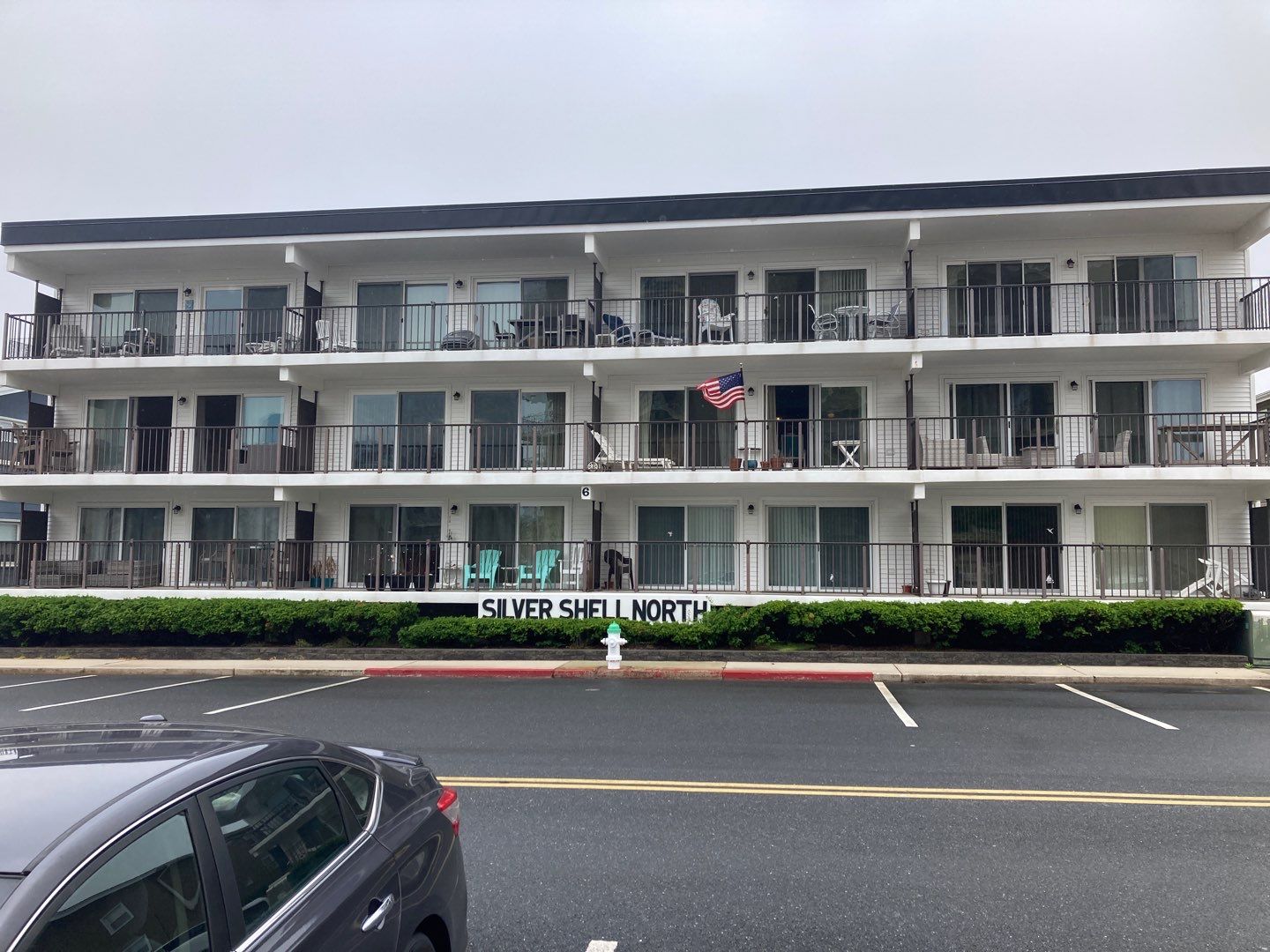
A Structural Integrity Reserve Study (SIRS) is a Florida-mandated reserve study required for
condominium and cooperative associations with buildings three stories or higher. It was
introduced after the 2021 Surfside condominium collapse to ensure long-term structural safety
and proper funding for critical repairs.

Purpose and Scope:

The SIRS is a visual inspection by a licensed engineer, architect, or certified reserve specialist that evaluates the condition of key structural and mechanical components, forecasts when repairs or replacements will be needed, and outlines the reserve funding required to meet those costs. It goes beyond traditional reserve studies by focusing on structural integrity and cannot be waived or reduced for required items.

Required Components:

The study must inspect and assess:
• Roof
• Load-bearing walls or other primary structural members
• Floor systems
• Foundation
• Fireproofing and fire protection systems
• Plumbing
• Electrical systems
• Waterproofing and exterior painting
• Windows
• Any other item with a deferred maintenance expense or replacement cost over $10,000
that affects the above.
Timeline:

• Initial SIRS: For condos existing on or before July 1, 2022, must be completed by December 31, 2024.
• Subsequent SIRS: Every 10 years after the building’s creation for buildings ≥3 stories.
• Milestone inspections (MIR) are also required every 10 years and at age 30, with Phase II inspections if deterioration is found.

Board and Owner Responsibilities:

• Boards must not reduce or waive reserves for SIRS-listed items.
• Reserves must be used only for the replacement or deferred maintenance of SIRS-listed
components.
• Within 45 days of completion, the association must distribute a copy to all unit owners or
provide notice of availability.
• Boards must file a statement with the Florida Division of Financial Institutions confirming
completion and distribution.

Key Differences from Traditional Reserve Studies:

• Traditional reserve studies cover a broad range of common elements (roofing, paving, amenities) and are recommended but not always legally required.
• SIRS is legally mandated for certain buildings, focuses on structural and critical systems, and has strict funding and usage rules.

Why It Matters:

A SIRS is both a safety measure and a financial planning tool. It helps prevent costly,
emergency repairs, ensures compliance with Florida law, and protects board members from
fiduciary liability if required studies are not completed.
Tip: If your condo is ≥3 stories and was created before July 1, 2022, you must complete your
SIRS by Dec. 31, 2024, and then every 10 years thereafter. Engaging a qualified reserve
specialist or engineer early can help meet deadlines and ensure compliance.

Frequenty Asked Questions

A reserve study is a detailed analysis that helps property owners and HOAs plan for future repairs and replacements. It ensures proper budgeting, avoids unexpected costs, and supports long-term financial stability.

Most reserve studies should be updated every 3–5 years, with annual financial reviews to keep funding plans accurate and aligned with current conditions.

A Level I reserve study includes a site inspection, full component inventory, condition assessment, useful life analysis, cost estimates, and a comprehensive 30-year funding plan.

A SIRS is a specialized reserve study required in certain states like Florida. It focuses on key structural components to ensure safety, compliance with regulations, and long-term building integrity.

Protect Your Investment